

In short, the U.S. Department of Agriculture, which contains the Forest Service for historical reasons, wants to eliminate safeguards for almost 45 million acres of roadless national forest lands. Local managers could approve new roads – it’s not automatic – and potentially expand access for logging, mining, and oil and gas development. The implications go well beyond road construction. The change could worsen an already staggering road-maintenance backlog, for example, and fragment wildlife habitat, degrade water quality, and increase pressure on wildlife and fish populations.
Hunting
So what does the executive order from MN Governor Walz mean for the Boundary Waters?
On August 18th, MN Governor Tim Walz issued an Executive Order adding critical protections for the Rainy River Headwaters Watershed—the network of rivers and lakes that flows through and feeds the Boundary Waters Canoe Area Wilderness. The order effectively closes the door on new sulfide-ore copper mining in the watershed using the tools currently available to the state, while creating a path toward making these protections permanent.
Finders not keepers in the BWCA
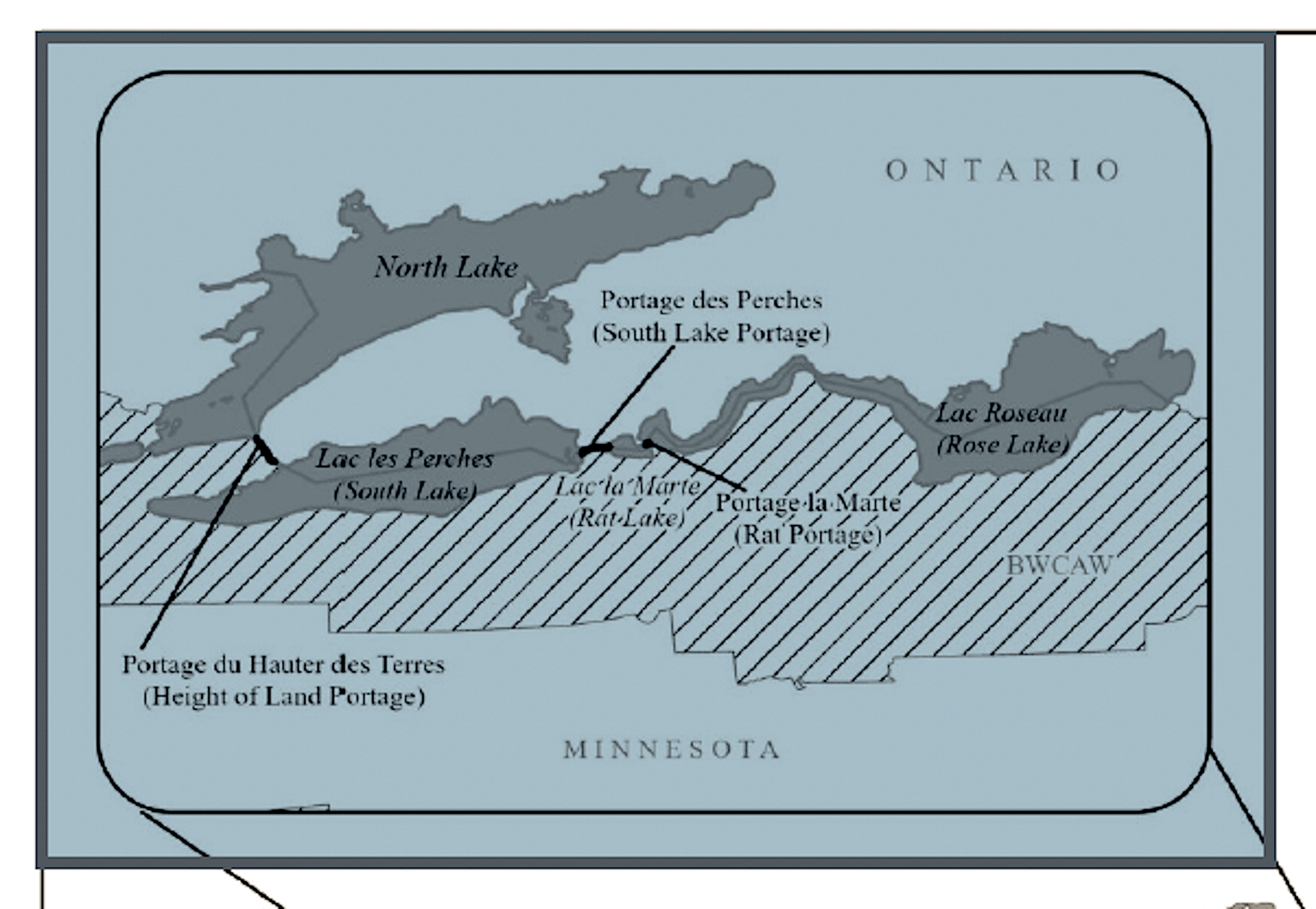
What Rat Portage can tell us – by Mark Neuzil I do not have the sharp-eyed vision to spot an arrowhead or ancient button or the head of an axe
What Comes Next In The Fight To Protect The Boundary Waters
On Thursday, April 16th, the United States Senate voted to pass H.J. Resolution 140, 50-49. Despite months of emails and phone calls and a massive, concerted effort by Sportsmen for the Boundary Waters and partner organizations from around the country in recent days, the vote went largely along party lines, with only two Republicans voting “no.” We are incredibly grateful for Senators Tillis (R- NC) and Collins (R-ME) for breaking party lines and standing up for the Boundary Waters, but extremely disappointed in the Senators who voted for the measure, especially those who are members of sporting and stewardship caucuses. So what happens now?
Senate Votes To Overturn Boundary Waters Protections
Today, the U.S. Senate voted 50 - 49 to pass House Joint Resolution 140 (H.J. Res. 140), which was introduced by Representative Pete Stauber (MN-08) in the House. This comes after the bill's swift passage in the House of Representatives on January 21st and months of work from Sportsmen for the Boundary Waters and a coalition of conservation organizations to stop this action in its tracks. When presented with sound facts, scientific data, a well-organized opposition campaign, and direct outreach from constituents on both sides of the aisle, Congress chose to side with private interests by using an obscure congressional loophole rather than upholding the overwhelming will of the American outdoor community.
Montana Knows the True Cost of Mining Mistakes
Like a lot of Montanans, I measure decisions about public lands through hard-earned experience, not political talking points. I’ve spent most of my adult life in Montana. I’ve built my career here and raised my family here. But I grew up in northern Minnesota, just west of the Boundary Waters. As a kid, I fished for walleye on Birch Lake, southwest of the Wilderness boundary, and I remember the signs posted at the landing: Don’t eat the fish. Mercury levels too high. Those warnings weren’t theoretical. They were the result of mining waste that found its way into the water. Back then we were told “the solution to pollution is dilution.” Time proved otherwise.
House Resolution Introduced To Undo Boundary Waters Protections
In the latest attempt to permit a copper-nickel mine upstream of the Boundary Waters Canoe Area Wilderness, a new congressional effort is underway to lift the federal moratorium on mining in the Rainy River Watershed, as was announced on January 8th, 2025, in an Interior Department filing in the Congressional Record. This was furthered by Representative Pete Stauber’s introduction of HJ Res. 140 on Monday, January 12th, in the House of Representatives.

Wilderness Unraveled? Senator Mike Lee Takes Another Shot At Our Public Lands
In his latest attempt to sow chaos amongst public land advocates across the United States, Senator Mike Lee (R-UT) has introduced legislation that would not only alter over 9.5 million acres of Wilderness in U.S. Borderlands if passed, but would also fundamentally change the Wilderness Act and its ability to protect wild places like the Boundary Waters Canoe Area Wilderness from development. This comes months after Senator Lee introduced legislation that would permanently sell off millions of acres of public lands in the western United States.
Release: Sportsmen for the Boundary Waters Announces New Board Leadership
Sportsmen for the Boundary Waters, the leading voice for hunters and dedicated to protecting the Boundary Waters Canoe Area Wilderness, today announced the appointment of Ron Monson as chair of the SFBW board of directors and Mark Neuzil as BOD vice chair. As passionate conservation leaders, both bring extensive experience in advocacy and deep personal connections to the Boundary Waters, including an unshakeable commitment to defending the BWCAW from threats, which in the immediate include sulfide-ore copper mining within the wilderness watershed.

Updates from the Field: Pine Island WMA & What’s Next For SFBW
After a massively successful year of planning, preparation, and executing a huge volunteer day last August, we are excited to offer some updates on the Pine Island Wildlife Management Area on Lake Vermilion! Thank you to our incredible sponsor, the onX Access + Stewardship Initiative, the Minnesota DNR Tower Wildlife crew, the 50 volunteers who helped us pull this off, and everyone who had a hand in this project.