

UPDATE 12/30/25: Franconia Exploratory Boring Plan Near Birch Lake Approved
November 17, 2025 10:32 amUpdated 11 AM CT – December 30th, 2025
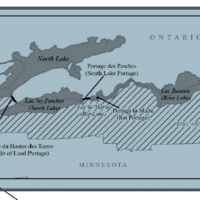
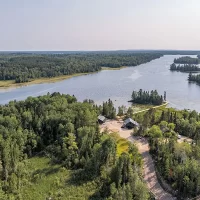
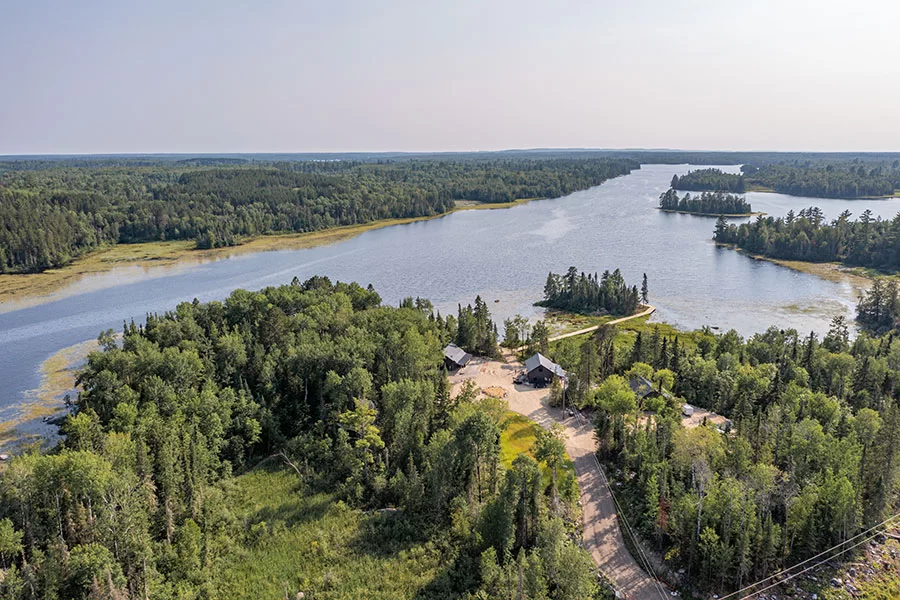
On November 6th, 2025, Franconia Minerals LLC submitted an exploration plan to the Minnesota Department of Natural Resources for review to conduct exploratory boring on state lands near Birch Lake, upstream from Ely, Minnesota and the Boundary Waters Canoe Area Wilderness.
On December 29th, 2025, Franconia Minerals LLC’s exploration plan to conduct exploratory boring on state lands near Birch Lake, upstream from Ely, Minnesota and the Boundary Waters Canoe Area Wilderness, was approved by the Minnesota Department of Natural Resources.
Franconia also submitted a plan to conduct exploratory boring in 2023, which was approved. While exploratory boring itself does not pose a significant threat to the environment and is a routine practice in the mining industry, Sportsmen for the Boundary Waters remains prepared to oppose the creation and operation of a copper-nickel mine upstream from the Boundary Waters. The following is a basic breakdown of what we presently know about Franconia Minerals LLC and exploratory boring.
Who is Franconia Minerals LLC?
Franconia Minerals is a subsidiary company of Twin Metals Minnesota, the same company that has worked in recent years to permit a copper-nickel mine in the Duluth complex, specifically within the Rainy River watershed. Both Twin Metals and Franconia are owned by the Chilean-based mining company Antofagasta. Currently, both Twin Metals and Franconia have leases on thousands of acres in and around the Rainy River watershed. These lands are not federal and therefore do not fall under the purview of the federal moratorium that Sportsmen for the Boundary Waters is currently working to keep in place under the Trump Administration.
What is Franonia’s exploration plan?
According to the MN DNR, “Franconia proposes diamond drilling exploratory borings at up to nineteen (19) drill sites. The proposal also includes conducting down-hole geophysical surveys in the newly drilled borings. Any exploration in wetlands will occur when the ground is frozen or while utilizing best management practices, such as mats, to minimize disturbances. Franconia will clearly post drill sites and active areas. All exploratory boring activities will follow regulations set by the Minnesota Department of Health.”
Exploratory boring is a common practice conducted by mining companies to gain a more thorough understanding of the mineral deposits beneath the surface. While Minnesota legislation (Minn. R. 6125.0700, ¶ 26) stipulates that the state cannot outright deny the right for a lessee or owner to perform exploration that meets the requirements set in place; they can require adjustments by the lessee for natural resource management concerns. For example, the DNR’s approval letter states that, in addition to following existing regulations, Franconia must mitigate light and sound pollution, minimize travel, avoid interfering with moose, prevent erosion, and much more.
According to the Minnesota DNR, the average size of a drill pad, the surface on which the actual drill is mounted, is 70’x70’ or 1/10 of an acre. The regulatory statutes governing exploratory boring in Minnesota are found in Minnesota’s Administrative Rules, Chapter 4727. Essentially, a 10-inch or less diameter core sample will be pulled from the earth at varying depths, often between 1,000 and 5,000 feet, and then transported to a facility where it can be core logged and studied by geologists. Drilling 1,000 feet often takes around two weeks, after which the site enters a reclamation phase and the hole is sealed. According to Dean DeBeltz, Twin Metals Vice President of External Relations and Project Relations, around 650 of these drill holes have been safely created in the area by Twin Metals.
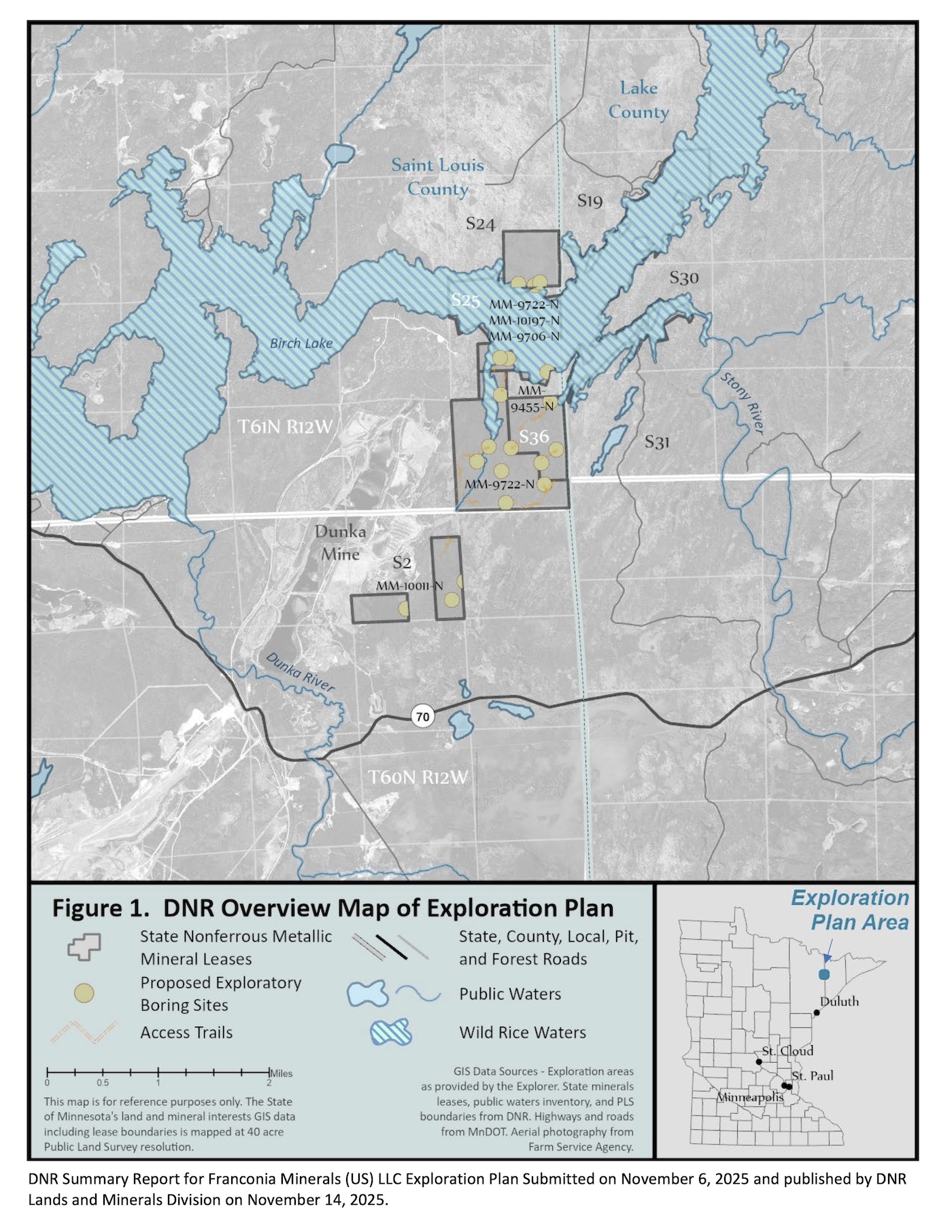
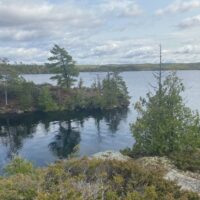
The planned drill pads in direct proximity to Birch Lake’s shoreline have drawn concern, as the lake flows directly into the Boundary Waters Canoe Area via the South Kawishiwi River. Despite several state mandates, the resurgence of Twin Metals after the federal moratorium has raised alarm in the conservation community. Twin Metals has not made it clear what they intend to do with the information gained from exploratory boring, except that the proposed drilling is solely exploratory and that they are continuously trying to gain additional knowledge and data of what Minnesota’s mineral resources are as the demand for several metals grows.
Sportsmen for the Boundary Waters
Sportsmen for the Boundary Waters remains steadfast in our opposition to copper-nickel mining in the Rainy River Watershed and will continue to track any new developments as they arise. Although Franconia has the legal right to explore on their leased land and exploratory drilling is a common practice used throughout the mining industry, the prospect of an operational nonferrous mine in the Rainy River watershed is unacceptable. After nearly a decade of working on every front to gain federal protections for the Boundary Waters, the need for state protections are more important now than ever.
As always, we are committed to protecting the integrity of the Boundary Waters Canoe Area Wilderness and its watersheds for huntable and fishable populations of fish and wildlife, now and forever, through education and advocacy. As we look to the future of Boundary Waters conservation, the importance of making sure sportsmen and sportswomen have a seat at the table will always remain at the forefront of our work.
Categorised in: Blog, News, Uncategorized, Updates